
Chambersburg, PA · Garage Door Service
Garage Door Maintenance for Mont Alto's 1969-Era Housing Stock
Mont Alto homes mostly date to 1969, which means original hardware nearing 55 years old. Maintenance from our Chambersburg crew catches it before a spring or cable lets go.
- Repairs & new doors
- Springs & openers
- Serving 6 nearby communities
Time on the Job
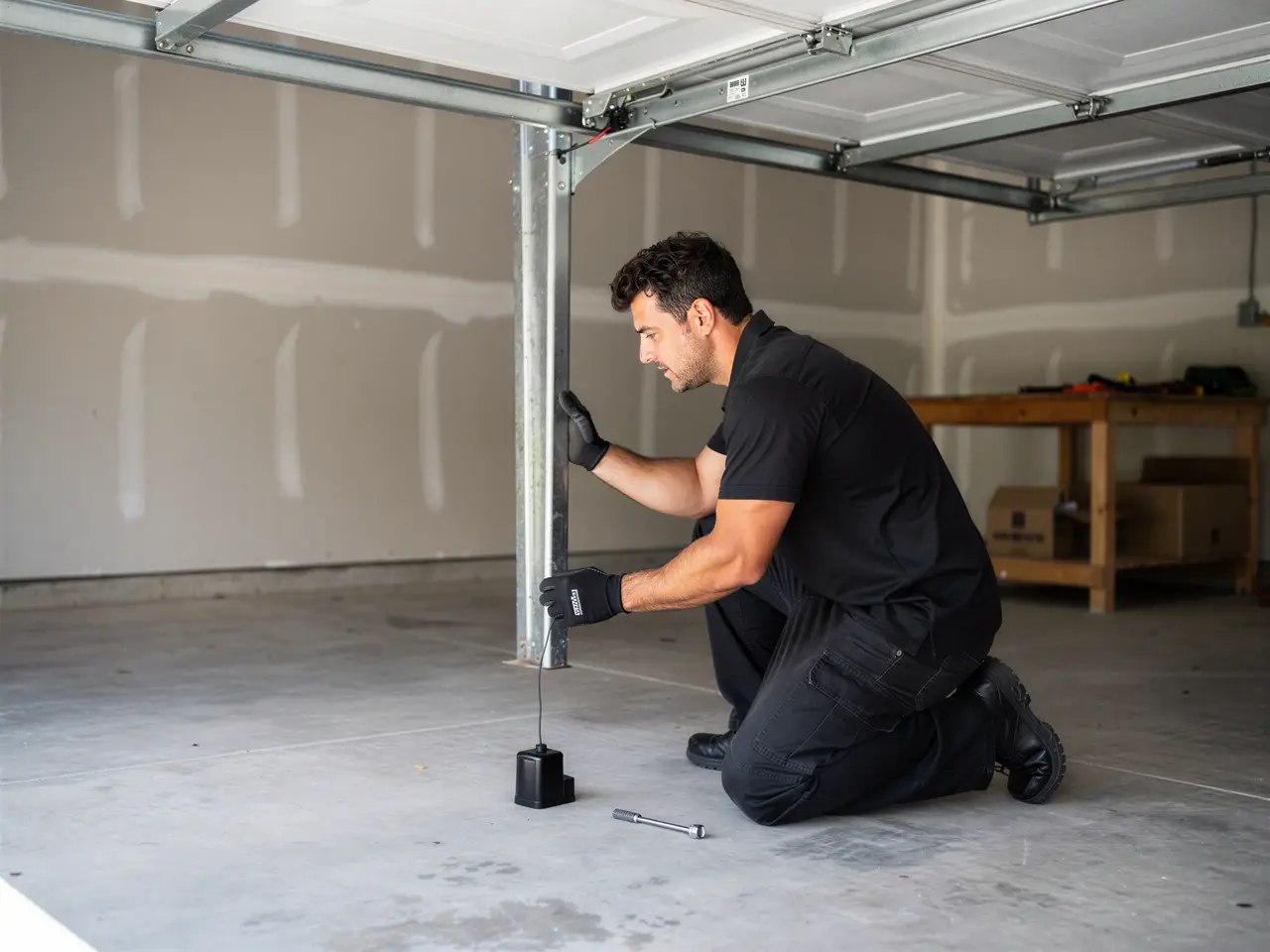
Mont Alto's median home was built in 1969, which puts a good share of its roughly 616 households into doors and openers that have been through five decades of Pennsylvania winters. A door installed in that era likely had its torsion spring replaced once, maybe twice, by owners who didn't know there was a maintenance option in between. That's the gap we're here to close. We come out from Chambersburg, about 8 miles down the road, on a scheduled basis rather than only when something breaks - tightening hardware, checking spring tension, and catching the kind of wear that doesn't make noise until it fails. For a house this age, maintenance isn't about keeping a door 'like new.' It's about keeping fifty-year-old mounting hardware from becoming a fifty-year-old problem.
How It Shows Up
On houses from Mont Alto's build era, the first sign is usually a track bracket that's loosened a quarter-inch from the framing - original lag screws into original lumber, decades of thermal cycling. You'll notice it as a door that shudders at the same spot every time it passes, or an opener that strains for a second before the door catches. Rollers from this period, especially the steel kind without bearings, wear a flat spot and start grinding rather than rolling. None of this shows up as an obvious break. It shows up as the door getting a little louder, a little slower, every month, until one day a cable frays through or a spring lets go under tension it was never checked against. By the time an owner calls about a dead stop, the maintenance window already closed.
Why This Fails Locally
The region sits in a cold, severe winter climate band, and that matters more for a 1969 door than a newer one. Older torsion springs weren't always rated with the cycle life manufacturers build in today, and cold steel is stiffer steel - it takes more force to lift, which is exactly when a fatigued spring is most likely to snap. Lubricant on original hardware also thickens and gums in low temperatures faster than the synthetic greases used now. Add in a median household income of $74,722 across the service area, which tells us most owners here aren't deferring repairs for lack of means - they're deferring them because nobody flagged the wear. A door that's been fine for forty-nine winters can fail on the fiftieth with no more warning than a louder squeak the week before.
Doing It Yourself
You can do some of this yourself, and you should. Wipe down and lubricate the track and hinges twice a year with a silicone-based spray, not WD-40, which washes grease out rather than replacing it. Check that the door reverses when it meets resistance - set a 2x4 flat on the floor under it and watch. Look at the cables near the bottom bracket for fraying strands. What you shouldn't touch is the torsion spring itself; it's under enough stored tension to cause real injury, and on a door this old, the spring and the drum it winds onto may both be original parts nobody stocks a direct replacement for. That's the one job worth having a second set of eyes on, even if everything else on your checklist comes back clean.
Frequently asked questions
How often does a door from the 1960s or 70s need professional maintenance versus just home upkeep?
Home upkeep - lubrication, visual checks - can happen every few months. A professional look at spring tension, cable condition, and bracket integrity matters more on a door this age; original hardware from Mont Alto's 1969 median build year is past the cycle life most springs were rated for, even if it still looks fine.
Why does cold weather make an old spring more likely to break?
Cold steel is stiffer and more brittle than warm steel, so it takes more force to flex under the same load. A torsion spring that's already fatigued from decades of cycling is more likely to fail on a cold morning lift than a mild afternoon one. That's a bigger factor here given the region's severe winter climate band.
Can you tell me the exact age of my garage door without a maintenance visit?
Not reliably by phone. We know the area's homes mostly date to the late 1960s, but doors and openers get replaced at different times by different owners. A maintenance visit lets us check the actual hardware in front of us rather than guess from the house's age.
More garage door services in Mont Alto
Book garage door service in Chambersburg
Call now or request a quote - tell us what the door is doing and where you are.