
Chambersburg, PA · Garage Door Service
Garage Door Maintenance Across the Chambersburg Area
Maintenance built for Chambersburg's 1960s-70s housing stock and severe cold winters - torsion springs, rollers, and openers that fail on schedule, not by surprise.
- Repairs & new doors
- Springs & openers
- Serving 6 nearby communities
Where This Job Goes Sideways
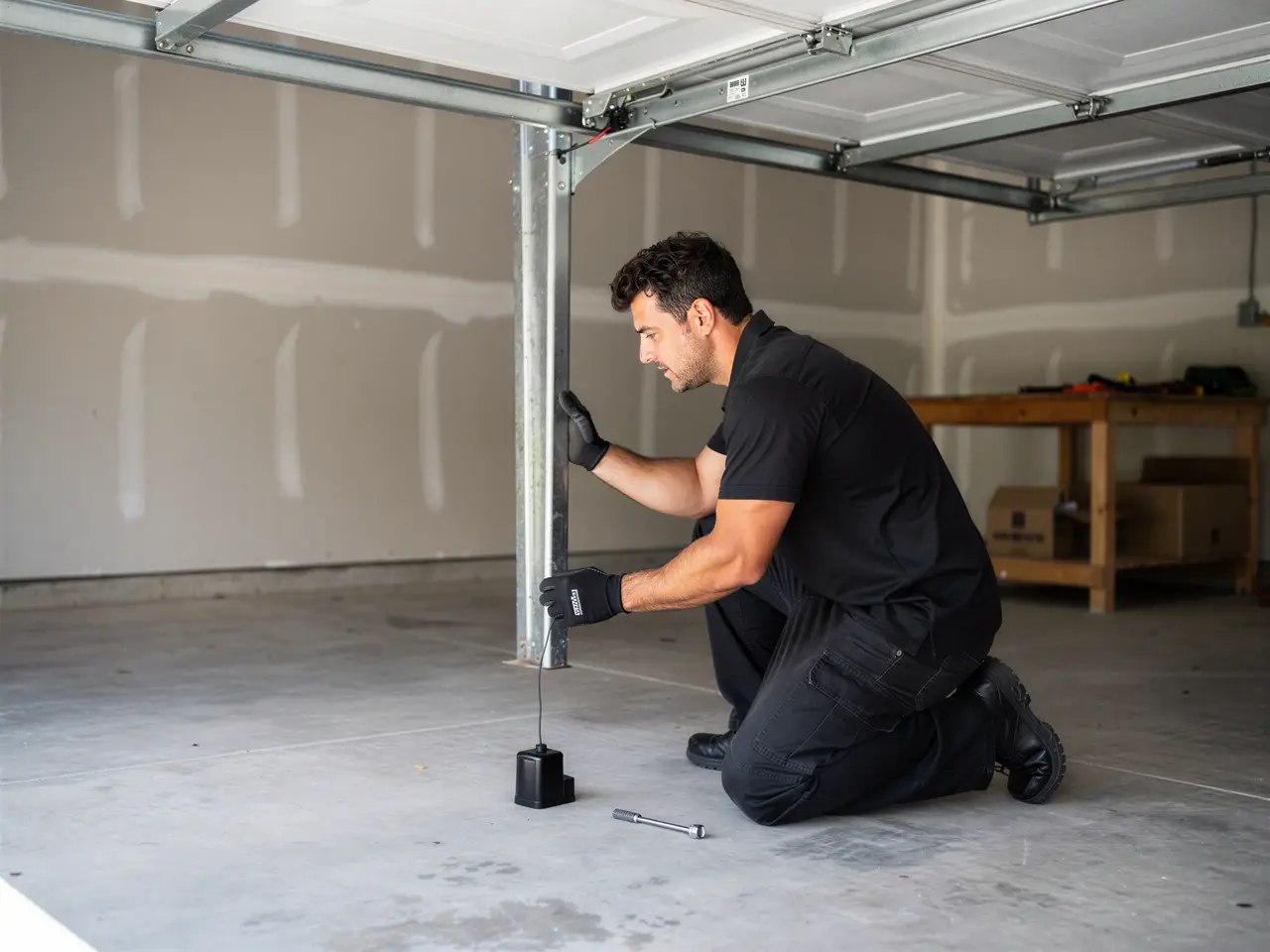
Most maintenance calls in this area start the same way: a door that worked fine in October and groans, sticks, or won't close right once the cold sets in. The service area runs through 22 named communities built mostly in the 1960s and 70s, with housing stock overall dating from 1938 to 1998. That spread matters. A door on a house built in 1965 has different hardware, different spring tension, and different mounting than one installed during a 1990s addition a few streets over. A tune-up that treats every door the same misses the point.
Where it goes sideways is usually the gap between what a homeowner notices and what's actually failing. A door that's "just a little noisy" is often a roller that's seized in its track, or a cable starting to fray where it wraps the drum. By the time it's loud enough to complain about, the part has usually been grinding for months. Maintenance isn't about waiting for the loud stage. It's catching the quiet one.
We won't tell you every noise means a failing spring - sometimes it's a loose hinge bolt, a five-minute fix. But we also won't tell you a noise is nothing just to get off the phone. The honest answer depends on what's actually on your door, and that's hardware-specific, not town-specific.
What It Costs
We don't publish a flat number for maintenance here, because the right service depends on the age and type of hardware on your door - a 1970s torsion setup and a newer extension-spring system aren't the same job, and pricing them the same would mean either overcharging one homeowner or underpaying for the other's time. What we can tell you is what drives the cost: how many moving parts need lubrication and inspection, whether cables or rollers are due for replacement rather than just adjustment, and whether the opener's safety sensors and force settings need resetting.
Given the median household income across this service area sits at $74,723, most homeowners here are weighing maintenance against the cost of a full spring or opener replacement down the line - and maintenance is almost always the cheaper side of that bet. A seized roller caught early is a part swap. Left alone through a winter, it can take the track and the opener's drive gear with it.
One honest limitation: we don't do subscription-style maintenance plans with recurring billing. We come out, inspect, service what needs it, and tell you straight what can wait and what can't. If that's not the model you're looking for, we're not the right fit.
Why This Fails Locally
This area sits in a severe cold climate band, and that's the real driver behind most maintenance calls here, not wear from use alone. Cold makes steel springs more brittle and stiffens the lubricant on rollers and hinges, so the same door that opened smoothly in August can bind or snap in January. On a torsion spring that's already near the end of its cycle life, a hard cold snap is often what finishes it off rather than starts the problem.
The housing stock compounds this. With most homes across the 22 communities in this service area built in the 1960s and 70s, and the broader range running 1938 to 1998, a lot of doors still carry original or first-replacement hardware that predates modern galvanized cabling and sealed bearings. That older hardware doesn't flex with cold the way newer parts do. It's not that these doors are poorly built - they were built for a different expectation of annual maintenance, back when a yearly lube-and-check was standard, not optional.
Across roughly 16,825 owner-occupied houses in this area, that combination - older hardware plus a hard winter climate - is the single biggest reason maintenance calls spike seasonally rather than staying steady year-round.
How It Shows Up
The first sign is almost always sound: a grinding or popping noise when the door travels, especially right at the top or bottom of the run where a spring carries the most load. Next is speed - a door that used to open in three seconds now takes six, which usually means a spring that's lost tension and the opener is doing work it wasn't built to do alone.
You'll also see it in the track. Cold-stiffened rollers don't ride smooth; they catch, and over weeks that catching wears a visible groove or flat spot into the roller itself. If you run a hand along the track after the door's been still for a few hours on a cold morning, you can sometimes feel resistance that wasn't there in summer.
The last and most dangerous sign is a door that drops instead of lowering - a sign a cable or spring has already given way. That's not a maintenance call anymore, that's a stop-using-it-now call. Across the roughly 30,672 households in this service area, that's the call we get most in the first hard cold stretch of the season, and it's almost always a door that skipped its fall check.
Frequently asked questions
How often should I get my garage door serviced in this area?
Given the severe cold winters here, once a year before the first hard freeze is the baseline, more often if your door is original hardware from the 1960s-70s housing stock common across this service area. Catching a stiff roller or a spring losing tension in October is far cheaper than a snapped cable in January.
Is a noisy door always a spring problem?
No. Noise can mean a loose hinge, a dry roller, or a track that's shifted slightly out of alignment - all cheaper fixes than a spring. We check the whole run before we tell you what's actually making the sound, rather than guessing from one symptom.
Do you offer a maintenance subscription plan?
We don't run a recurring-billing maintenance plan. We come out, inspect the door, service what needs it, and give you a straight read on what can wait. If you want scheduled auto-renewing visits, that's not how we operate.
Why do doors act up more in winter here?
This area sits in a severe cold climate band, and cold stiffens lubricant and makes older spring steel more brittle. Combined with the 1960s-70s hardware common across this service area's housing stock, winter is when marginal parts finally give out.
Related services
By Neighborhood
Maintenance across the Chambersburg area
We also handle maintenance in these Chambersburg-area suburbs.
Book garage door service in Chambersburg
Call now or request a quote - tell us what the door is doing and where you are.